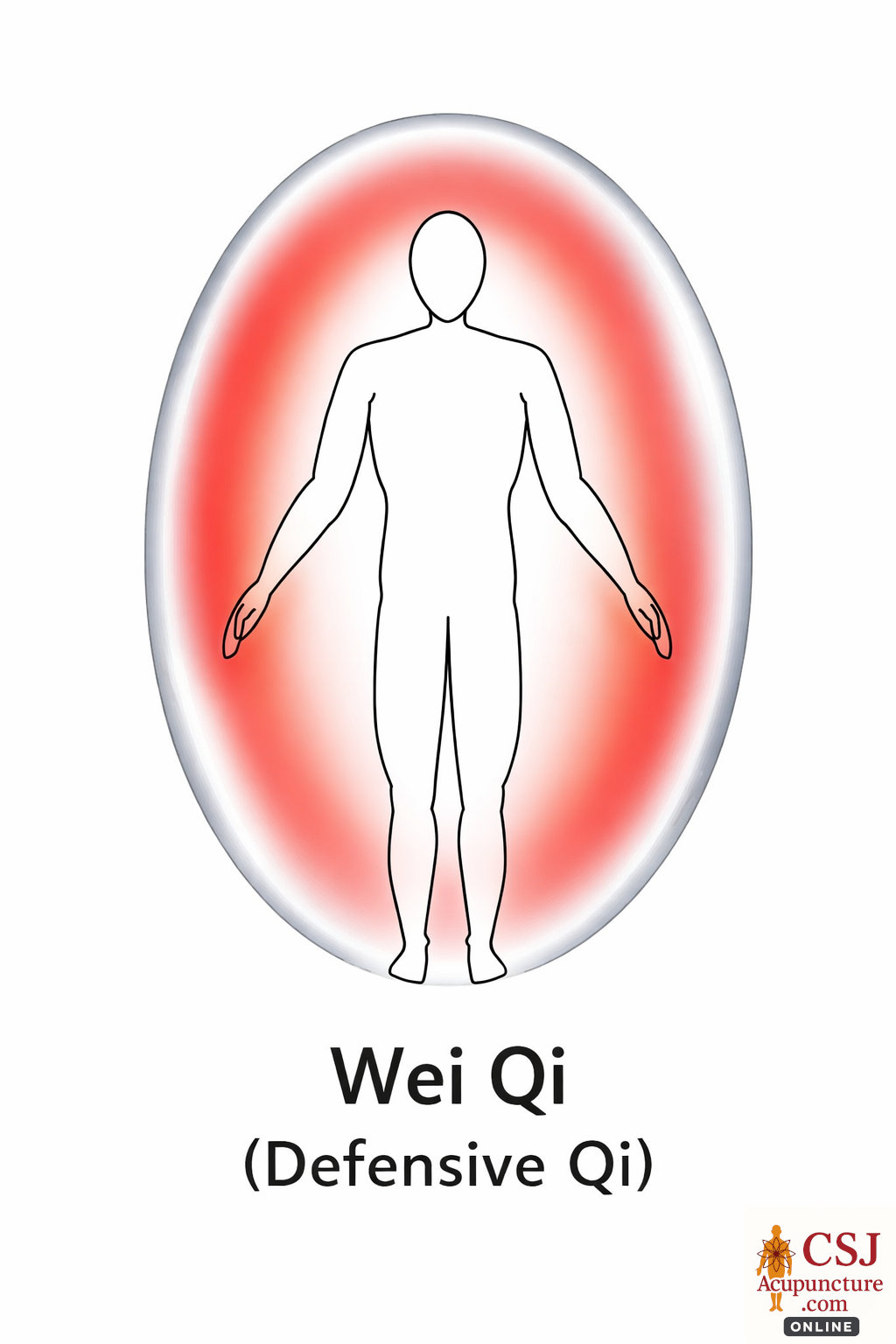
What is Wei Qi in Traditional Chinese Medicine?
In Traditional Chinese Medicine, Wei Qi, also called Defensive Qi, plays a central role in protecting the body and maintaining physiological balance. It is often compared to aspects of the…
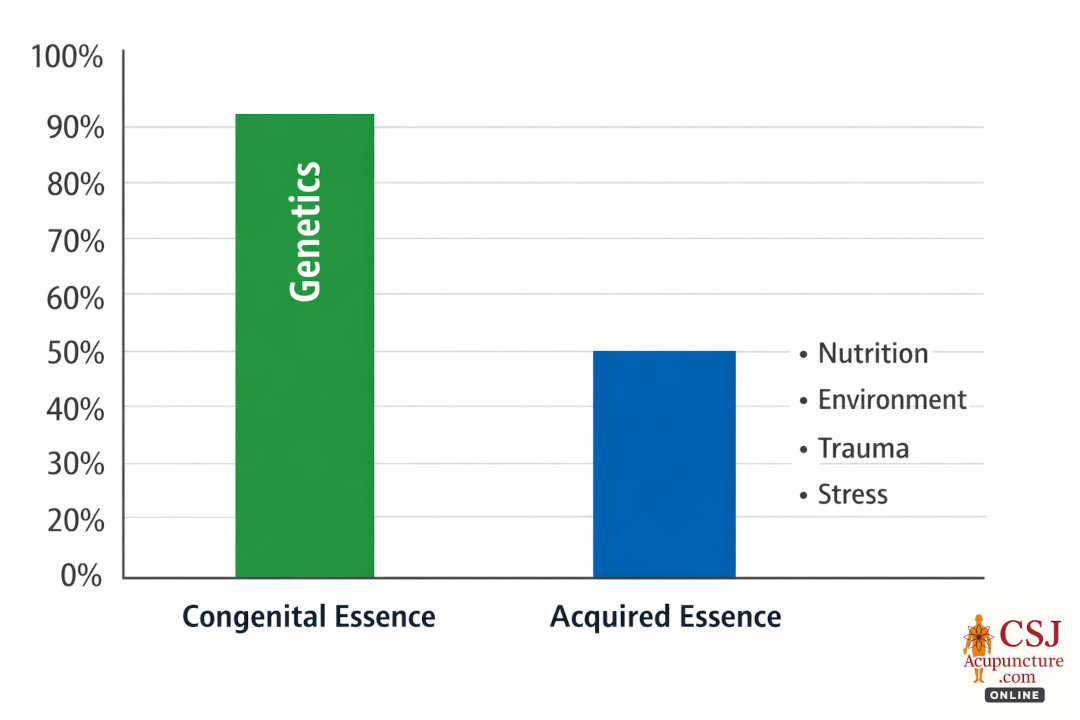
In Traditional Chinese Medicine, "Essence" (also known as Jing) is considered the material foundation of the human body and many of its functional activities. Quick LinksWhat is Essence in Traditional…
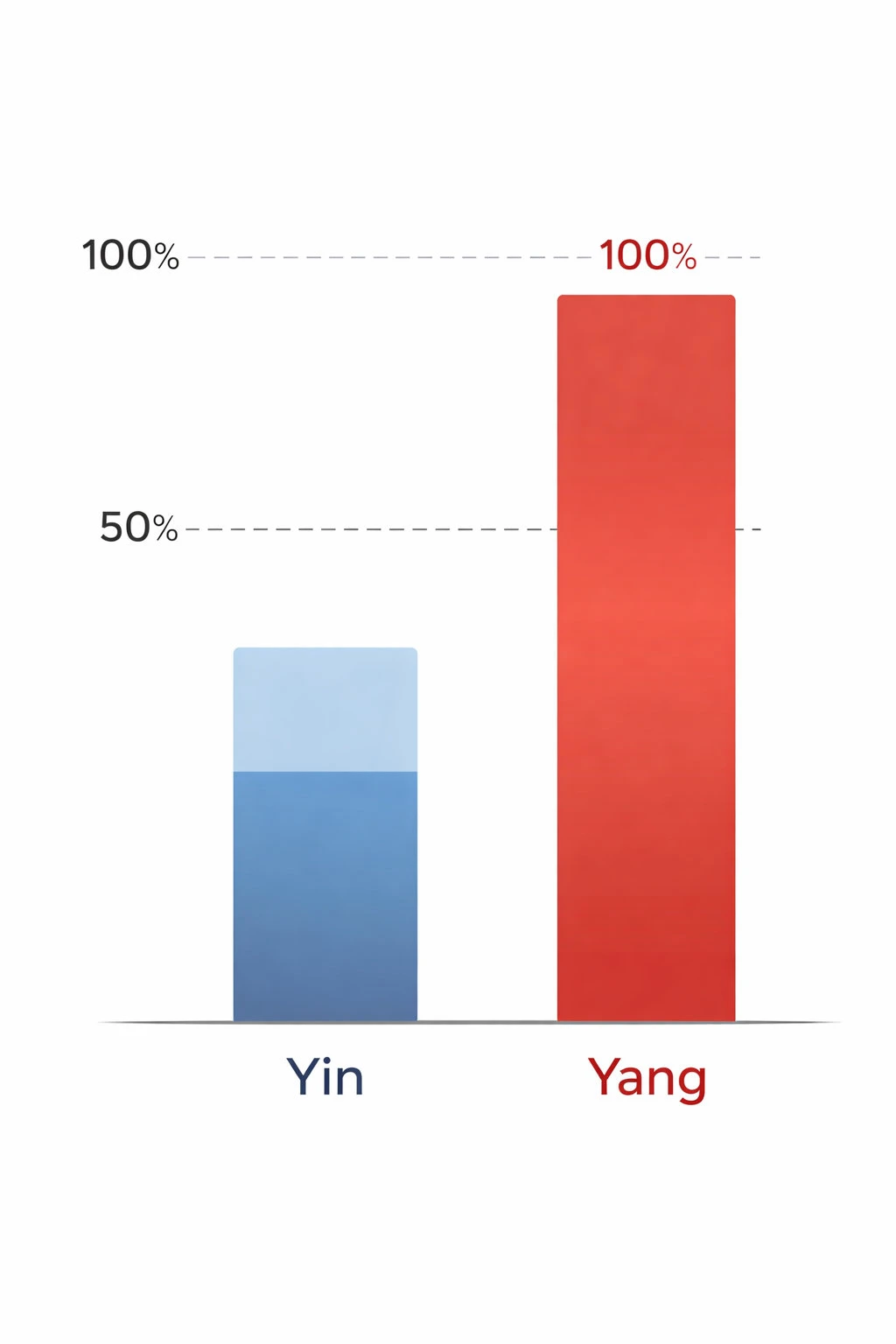
Yin deficiency is a foundational concept in Traditional Chinese Medicine (TCM) that describes an internal imbalance within the body. It occurs when the body lacks sufficient "yin" energy—the cooling, nourishing,…
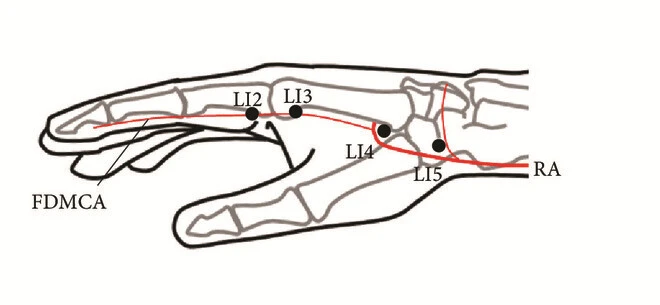
Acupuncture points on the hands can be used in treatment not only with that specific body part, but systemically and for different regions of the body. The hands are small…
Urinary Bladder 23, or UB23, Shenshu, is an important acupuncture point not only for the back but the entire body. UB 23 Acupuncture Point LocationClinical Pairing: UB 23 + UB…
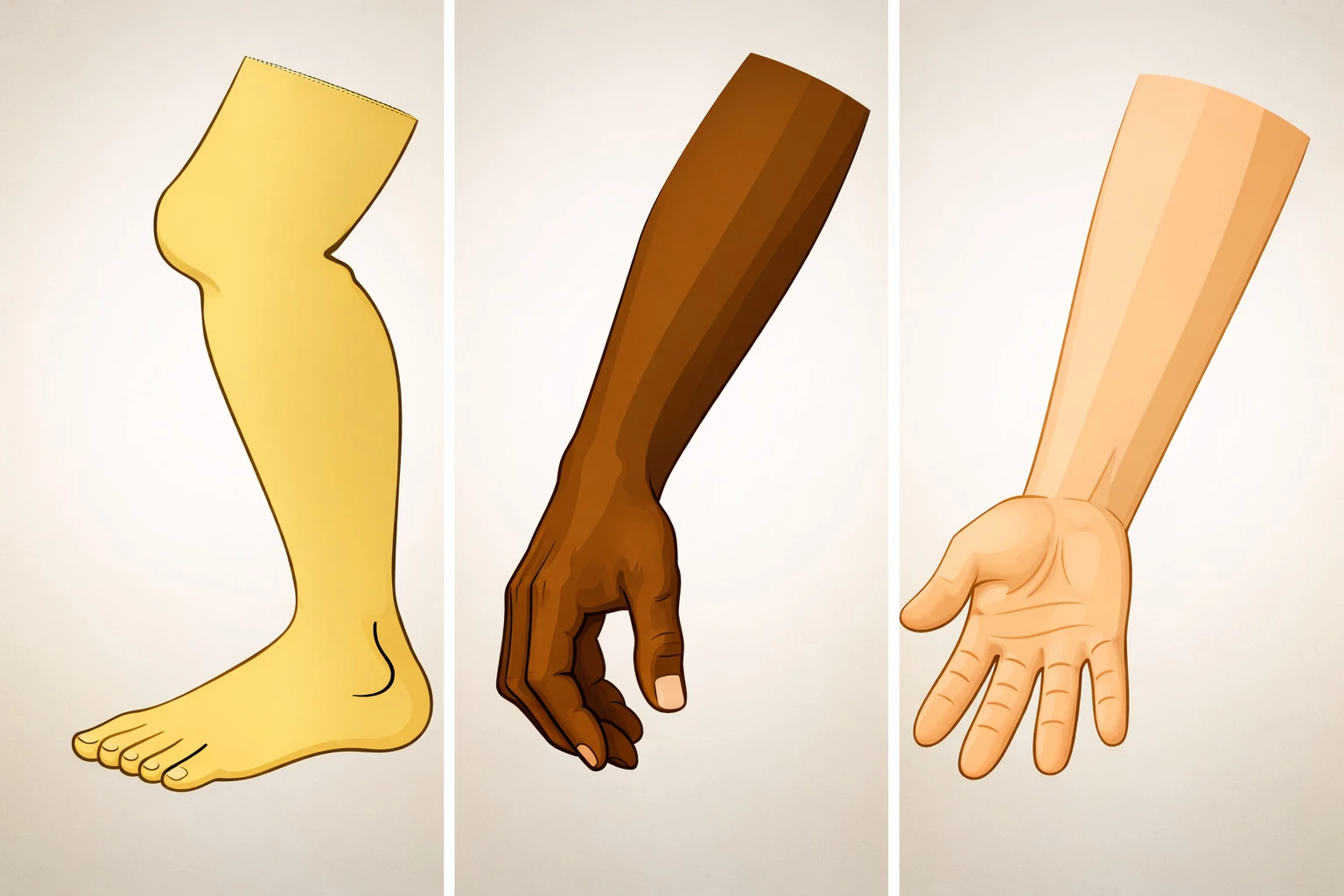
Listen To Audio Version One of the most practical and clinically sound principles in acupuncture is the preferential use of points located below the elbows and below the knees. This…
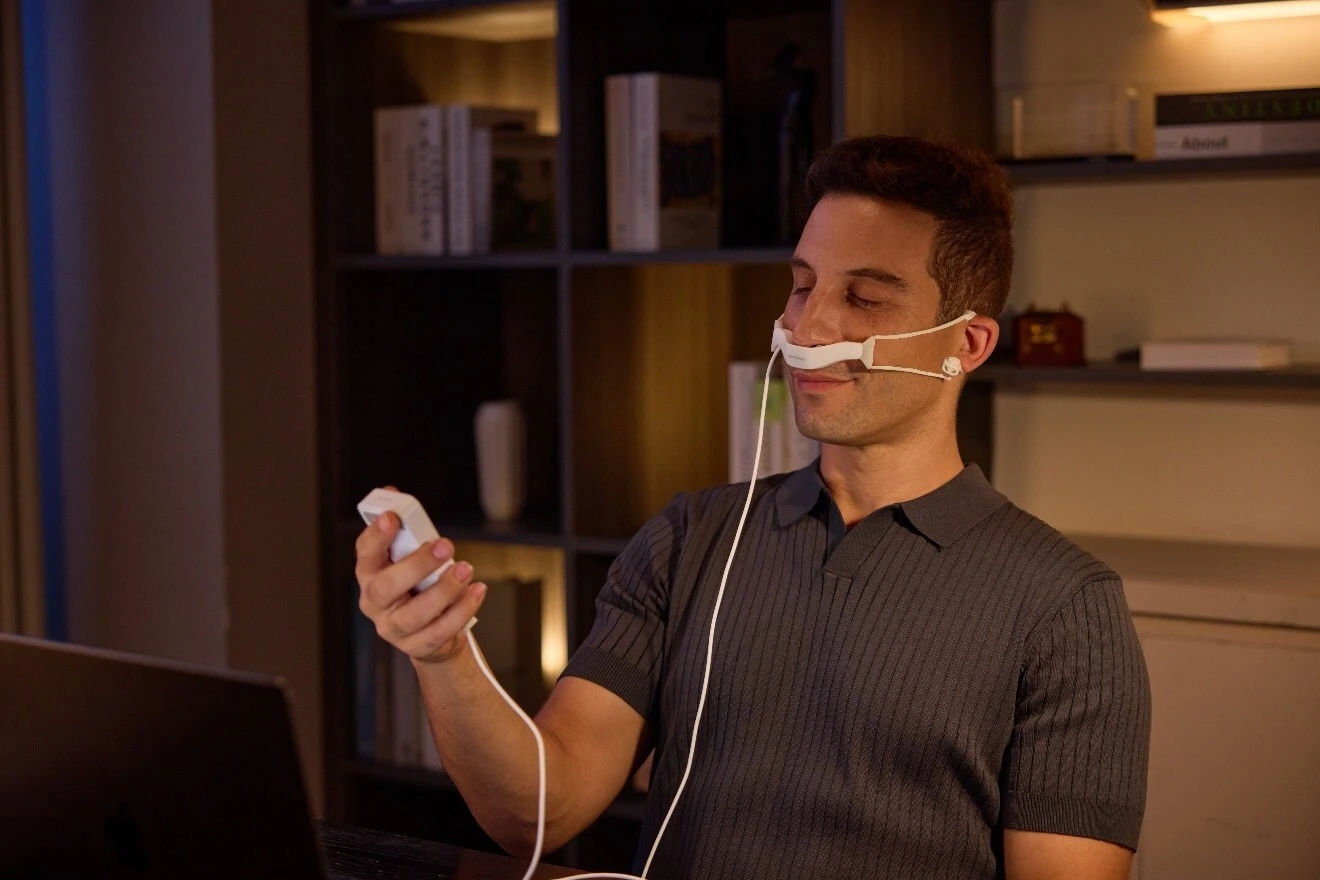
Yale-trained neuroscientist Nailin Yao, PhD, is betting that “digital sunshine” delivered through the nose could help people fall asleep faster and get more deep, restorative sleep. Her new device, Panbrain…
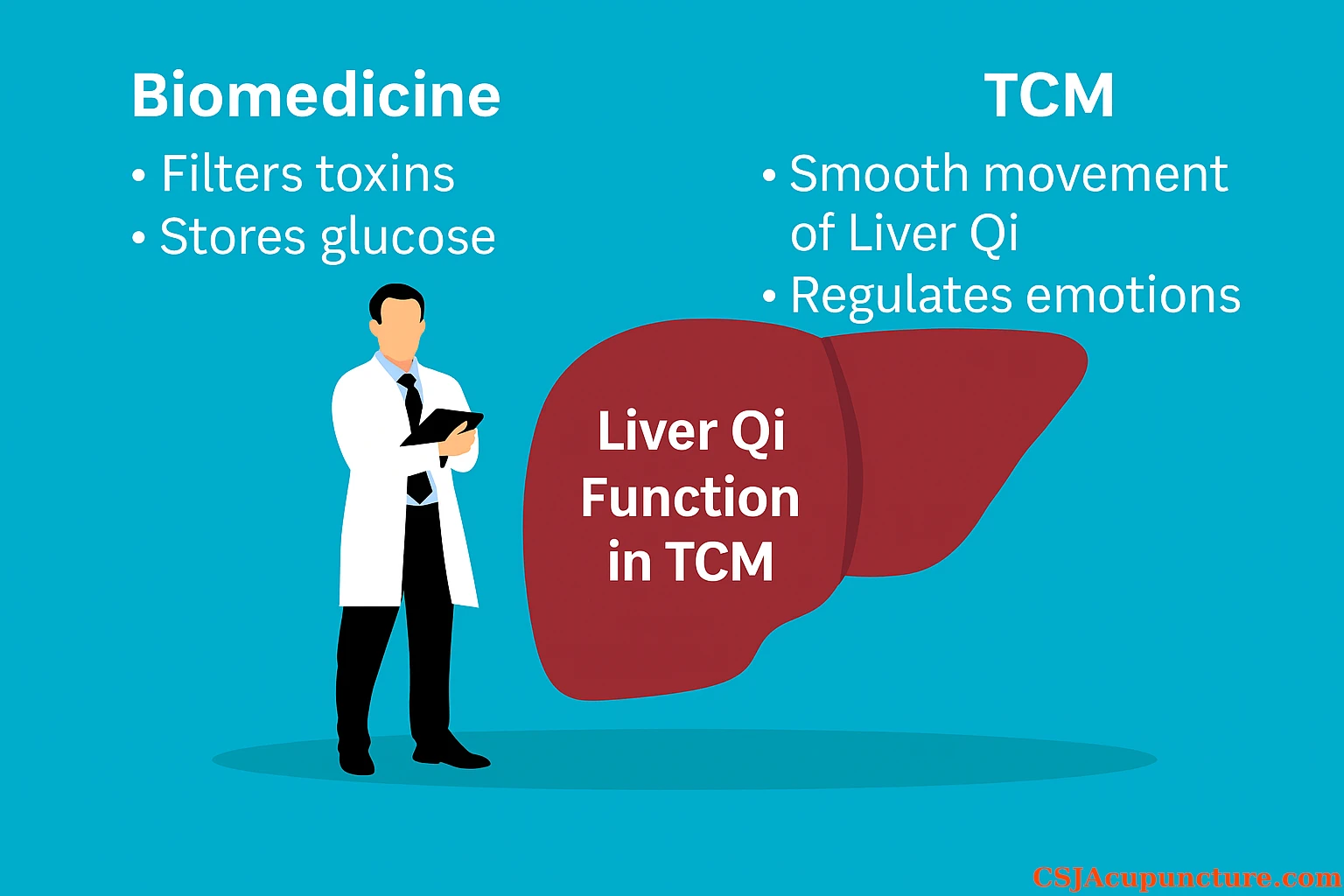
When we talk about the Liver, it’s important to recognize that Traditional Chinese Medicine (TCM) and biomedicine describe the same organ in completely different ways. Both systems work with the…
What is Postmenopausal Insomnia?Key Notes and TakeawaysHormones For many women, the years leading up to menopause bring more than just hot flashes and hormonal shifts — they can also bring…