
This post may contain affiliate links and ads in which we may earn a small percentage of purchases.
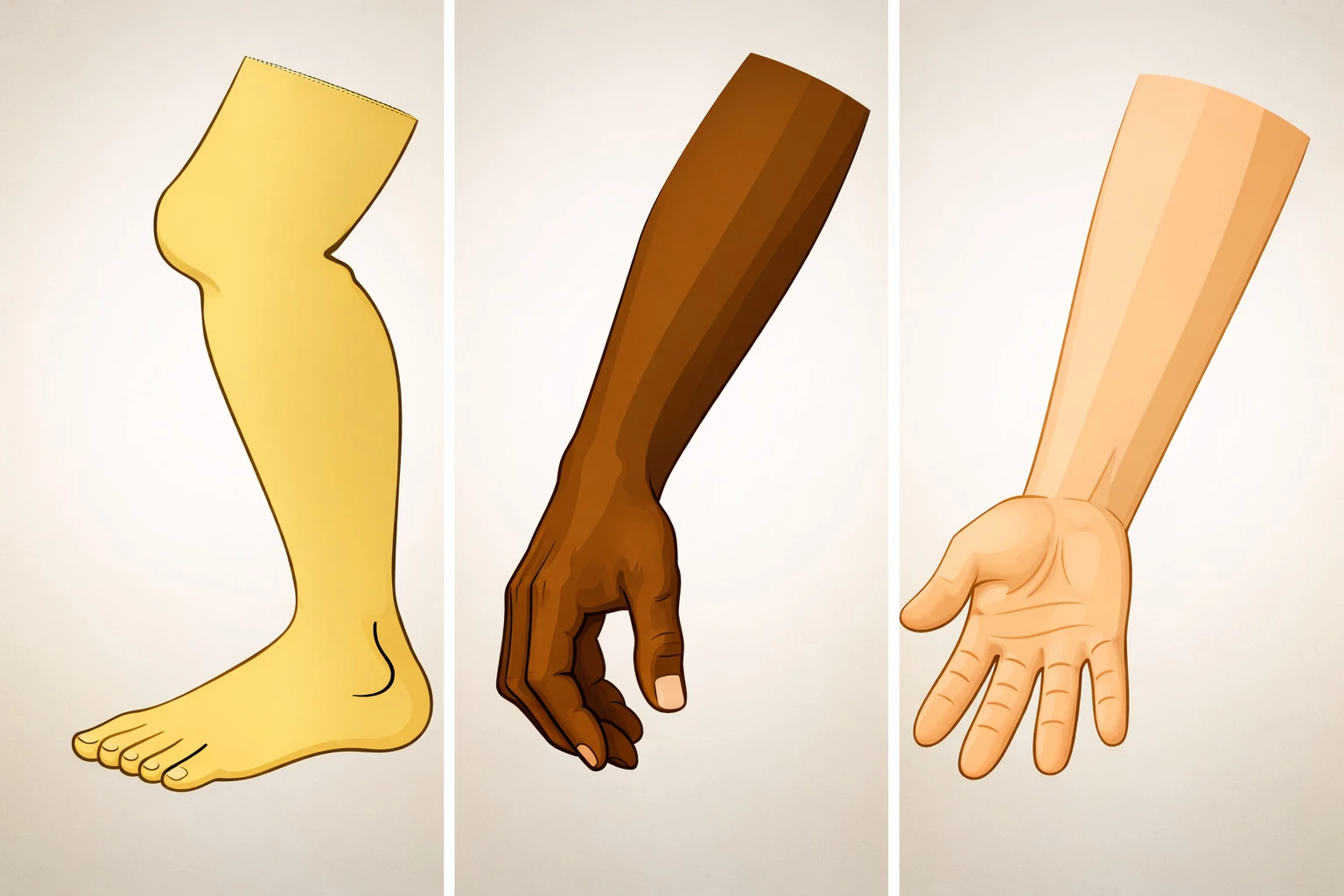
One of the most practical and clinically sound principles in acupuncture is the preferential use of points located below the elbows and below the knees. This approach is widely taught in formal acupuncture education and has proven value across traditional clinical practice, community acupuncture, and emergency or high-volume treatment settings.
Professional-grade Korean cupping set with 17 durable cups and extension tube for muscle therapy.
 View Cupping Set
The concept emphasizes safety, efficiency, and broad therapeutic effectiveness while minimizing risk and logistical barriers for both practitioner and patient.
Quick Links
Why Acupuncture Points Below the Elbows and Knees Are Considered Safer
From a risk-management perspective, distal limb points are among the safest acupuncture points on the body. These regions are anatomically distant from vital organs such as the lungs, heart, and major blood vessels. As a result:

- The risk of serious adverse events is significantly reduced
- The likelihood of complications such as pneumothorax is effectively avoided
- Side effects, when they occur, are typically mild and temporary
All medical procedures carry some degree of risk. However, when safety and efficacy are weighed together, distal acupuncture points consistently rank among the lowest-risk interventions available in healthcare practice.
Avoiding High-Risk Anatomical Areas
One of the clearest advantages of this treatment strategy is the avoidance of dangerous anatomical zones, particularly:
Portable dual-channel TENS/EMS device with 24 therapy modes for targeted muscle and pain relief.
 View Device
- The thoracic region, where improper needling may lead to pneumothorax
- Deep cervical or supraclavicular areas near neurovascular structures
- The abdomen and chest, where organ proximity increases risk
By working primarily below the elbows and knees, practitioners can maintain a conservative safety profile without sacrificing clinical effectiveness.
No Disrobing Required: Patient Comfort and Accessibility
Another major advantage is that patients do not need to disrobe in most cases. This has important implications:
- Increased patient comfort and reduced anxiety
- Greater accessibility for modest, elderly, or mobility-limited patients
- Faster intake and treatment flow in busy or shared clinical environments
This makes distal-point strategies especially well suited for community acupuncture clinics, workplace wellness programs, and public or temporary treatment settings.
Ideal for Community and Emergency Acupuncture Settings
In high-volume or time-sensitive situations, such as community clinics, disaster response, or emergency support environments, this approach excels. It allows practitioners to:
- Treat multiple patients efficiently
- Maintain consistent safety standards
- Deliver meaningful therapeutic benefit with minimal setup
Because the technique does not rely on complex positioning or extensive exposure of the body, it supports rapid deployment while remaining clinically sound.
Clinical Effectiveness With Fewer Needles
A further benefit of this approach is its compatibility with minimal-needle treatment styles. Many practitioners find that using a small number of well-chosen distal points can produce strong systemic effects. This is particularly valuable because:
- Many patients have needle anxiety
- Fewer needles improve patient compliance and retention
- Highly researched distal points often have broad, multi-system actions
This “less is more” philosophy allows the practitioner to focus on points with strong classical indications and modern clinical support.
A Versatile Strategy Across Practice Settings
Importantly, using points below the elbows and knees is not a rigid limitation, it is a flexible clinical strategy. While it can serve as a primary treatment method in certain contexts, it also integrates seamlessly into:
- Conventional private practice
- Ongoing care after formal diagnosis and evaluation
- Complementary treatment plans involving other point selections
Its strength lies in offering a reliable, safe foundation that can be adapted to the needs of the setting, the patient, and the practitioner.
The five shu points and theory behind distal needling
A major reason acupuncture points below the elbows and knees can be so effective is that many of the most clinically “dense” point categories in traditional acupuncture live in these distal zones, especially the five shu points.
The five shu points are a set of points on each of the 12 primary acupuncture meridians located between the fingertips/toes and the elbows/knees. Traditionally, they describe how qi (energy) moves along a channel from distal to proximal, and they provide a structured method for selecting points that can shift pain, heat, stagnation, and functional patterns with relatively minimal needle count.
This is one reason a below-elbows/below-knees strategy works well for community-style treatments and fast clinical workflows: you can choose from a standardized, high-yield set of points with strong classical usage and practical modern application.
The five shu point types
- Jing-well points (at or near the nail beds)
Often chosen for acute patterns, strong channel clearing, and rapid change. - Ying-spring points (just proximal to the jing-well points)
Often used for heat patterns and inflammatory presentations along the channel, especially when symptoms feel hot, red, irritated, or flaring. - Shu-stream points (around the metacarpophalangeal/metatarsophalangeal area)
Frequently used for heaviness, damp-type presentations, and joint or soft tissue issues. - Jing-river points (along the forearm/lower leg)
Often selected for cough, especially on the lung-related channels), and for conditions that travel along the channel pathway. - He-sea points (near the elbows and knees)
Widely used for gastrointestinal patterns and disorders of the fu organs, as well as for channel-related issues that need a stronger proximal anchor.
Safety, Practicality, Effectiveness
The use of acupuncture points below the elbows and knees represents a highly effective intersection of safety, practicality, and therapeutic value. By reducing risk, avoiding sensitive anatomical regions, eliminating the need for disrobing, and delivering the same treatment outcomes, this approach remains one of the most valuable tools in modern acupuncture practice. Whether applied in community care, emergency settings, or traditional clinics, it allows acupuncture to remain accessible, responsible, and clinically impactful.
Medical Disclaimer: This article is for informational and educational purposes only and is not a substitute for professional medical advice, diagnosis, or treatment. Always consult a qualified healthcare provider with any questions about a medical condition or treatment.


