The Breathing category explores the science and clinical relevance of respiration from both biomedical and Traditional Chinese Medicine perspectives. Proper breathing mechanics influence oxygen exchange, autonomic balance, cardiovascular efficiency, emotional stability, and overall performance.
From a biomedical standpoint, respiration supports cellular metabolism through oxygen delivery and carbon dioxide regulation. Diaphragmatic breathing improves lung expansion, enhances vagal tone, and may reduce sympathetic overactivation. Controlled breathing patterns have been associated with improved heart rate variability, stress resilience, and cognitive clarity.
In Traditional Chinese Medicine, the Lung governs Qi and respiration while working closely with the Kidney to anchor breath.
Within this section, you may find:
Diaphragmatic and nasal breathing techniques
Clinical discussions on hyperventilation and breath dysfunction
Qi Gong breathing methods for internal cultivation
Articles on stress modulation through respiratory control
Integrative perspectives connecting physiology with classical theory
This category is structured for healthcare professionals, students, athletes, and patients seeking a deeper understanding of respiratory mechanics and therapeutic breathing practices.
Deep breathing is one of the simplest and most effective tools we have for improving overall health. It requires no equipment, no special setting, and can be practiced almost anywhere.…
Ads

Breathing in flow athletic performance
csjacupuncture.com earns a small portion of the sales from the referral of this program to help cover expenses. We appreciate you! Today, we’re excited to introduce a program that taps…
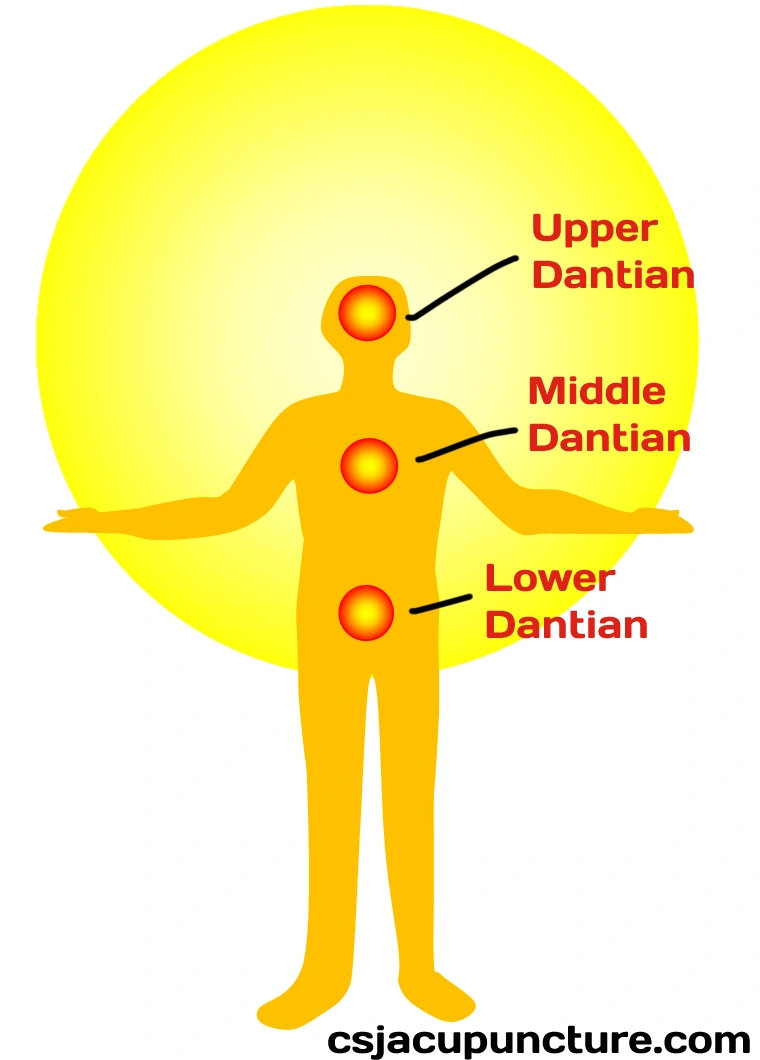
Quick LinksLocation of the Lower DantianThe Role of the Lower DantianDantian Breathing In Everyday LifeHow To Practice Dantian BreathingScientific Basis and Modern ResearchShaolin Dantian Breathing Techniques Breathing into the lower…