
This post may contain affiliate links and ads in which we may earn a small percentage of purchases.
Quick Links
Back Pain, Neck Pain, ‘Lotta Pain
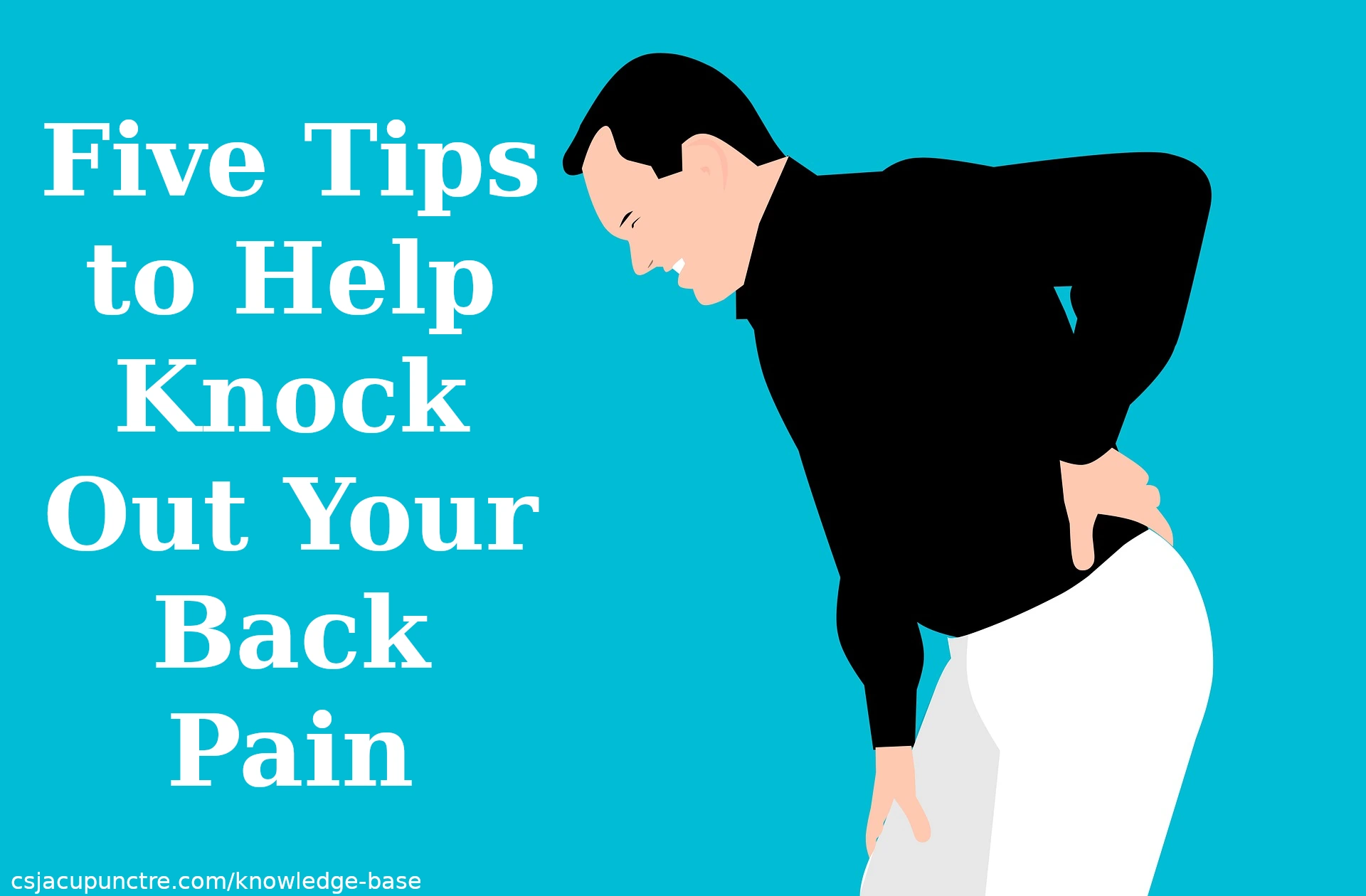
Here’s a quick question: Do you deal with low back pain, or know someone suffering from low back pain, or any kind of back or neck pain for that matter? One study showed that one in three people here in the US suffer from back and/or neck pain1, so I’m not really surprised that I see these conditions so prevalent among patients. With all the gimmicks and hoopla’s out there, sometimes it’s hard to find a good treatment for your back troubles.
This is an issue that I deal with on a daily basis, because it is common and many people in their adulthood experience some type of back pain, especially in the lower back area. It’s time to look at the way you sit, the way you stand, your daily habits, and all the other signs around you saying hey, it’s time to make some changes!
Here are some areas that you may need to address to achieve success in your overall care plan, in addition to your current medical treatment regimen prescribed by your primary healthcare provider(s).
1. Increase Your Range of Motion
There’s a saying I’ve adopted from one of my favorite acupuncture clinician supervisors back in the day that went “increase range of motion, decrease pain”. There are many benefits to increasing your flexibility, including an increase in blood circulation, lessened chances of injury, and more freedom in range of motion and ability to move, which is a quality that all people enjoy possessing. Stretching has also been shown to have anti-inflammatory and anti-fibrotic effects, or help with the reduction of swelling and scarring2.
Portable dual-channel TENS/EMS device with 24 therapy modes for targeted muscle and pain relief.
 View Device
A stainless-steel acupuncture pen and gua sha set.
 View Product
2. Look At How You’re Sitting
How is your posture when you’re sitting at a table or a desk? Do you slouch? Are your shoulders and neck learning forward as you’re reading this? No I’m not trying to nit pick every little thing you do….Actually I am, that’s why I’m here. As I think the internet is a great medium for sharing information, I do not think it’s the best method for correcting your posture while seated.
There are many health care providers or fitness professionals that can help you correct your posture. I always evaluate my patient’s posture on their initial intake, and other acupuncturist do as well but may have different methods of evaluation. However, chiropractors, physical therapist, osteopaths, massage therapists, and personal trainers can all help you to improve.
As a general rule of thumb, you should take small walk breaks every hour and try to maintain the natural curvature of your spine while seated, chin tucked in just slightly.
Also, if you’re feeling uncomfortable with some of you workplace equipment, make a request to your human resources department. They should provide you with items such as back supports, better supported chairs, or any other ergonomic support item that will help reduce injury. The company should provide these items as it will keep their employee healthcare costs down in the future.
3. Look At How You’re Standing
Are you the type to walk with your feet pointed outwards at extreme angles? This can cause muscles such as the Piriformis and the Gluteus Medius to become tight, leading to pain. Also leaning too much on one leg, walking with a limp on purpose like an old school gangster or pimp, or standing too long on our feet can all be contributing factors to back pain.
High heels may cause your back to use more energy and keeps the muscles active which may cause muscle overuse and lead to low back problems3. Also The harmful effects of wearing high healed shoes may be more pronounced with aging4.
So take a look at what your doing to push your posture out of alignment and see if making small adjustments will help overtime.
4. Look At Your Diet
Sometimes it really does come back to the basics — your diet. The question is simple: are you choosing foods that dial up inflammation, or foods that help your body run better from head to toe? Think more leafy greens, warm cooked meals, fewer heavy or greasy options, and even swapping ice-cold drinks for room-temperature water. These small habits can support overall wellness and, in Chinese Medicine, encourage smoother qi circulation. You’ll find plenty more on nutrition and TCM throughout this site and beyond.
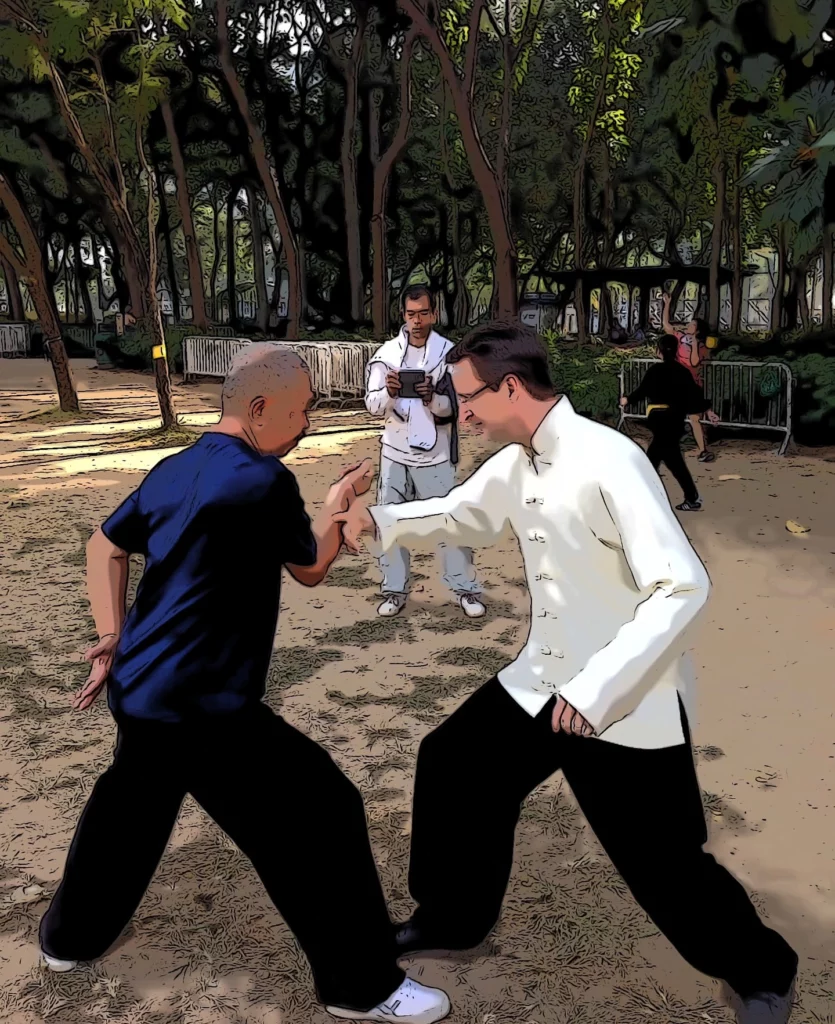
5. Go Do Some Yoga, Tai Chi or Martial Arts
There is a big reason why more people are incorporating these exercises into their health regimen, and it’s because these exercises build up your body instead of breaking it down.
A lot of athletes end up retiring earlier than expected simply because their bodies can’t keep up anymore. Years of intense training, heavy workloads, and constant stress take a real toll, and eventually the system just says, “I’m done.”
However, exercises such as Tai Chi Chuan, Qi Gong, Yoga, and martial arts help to promote your qi circulation, increase vitality and longevity, promote mental clarity, improve flexibility, balance, and can create a more harmonious relationship with yourself, your family, your friends, and community. So go sign up for a local or online class today and benefit tomorrow…………………..what are you waiting for?!?!?!!
Pain Free With Effort
Hopefully this has provided you with some insights into your search for improved pain relief. Remember there is no one time cure all, and it will take effort on your part to make sure that your body stays pain free. Life is too short to worry about pain!
References
1 – A Systematic Review and Meta-Analysis of Efficacy, Cost-Effectiveness, and Safety of Selected Complementary and Alternative Medicine for Neck and Low-Back Pain. Evidence-Based Complementary and Alternative Medicine Volume 2012 (2012).
2 -Corey SM, Vizzard MA, Bouffard NA, Badger GJ, Langevin HM. Stretching of the Back Improves Gait, Mechanical Sensitivity and Connective Tissue Inflammation in a Rodent Model. oS One. 2012; 7(1): e29831. Published online 2012 January 6 http://dx.crossref.org/10.1371%2Fjournal.pone.0029831
3 -Mika A, Oleksy L, Mika P, Marchewka A, Clark BC.. The Effect of Walking in High- and Low-Heeled Shoes on Erector Spinae Activity and Pelvis Kinematics During Gait. American Journal Phys Med Rehabil. 2012 Feb 2.

Jump-start your metabolism with the 21-Day Smoothie Diet! Replace meals with delicious, nutrient-packed smoothies that help burn fat, boost energy, and keep you feeling full. Start your transformation today →
Medical Disclaimer: This article is for informational and educational purposes only and is not a substitute for professional medical advice, diagnosis, or treatment. Always consult a qualified healthcare provider with any questions about a medical condition or treatment.



Thanks for the read C-Lo. My dad currently has some persistent back problems for over a couple of months now. Initially I thought it was more muscular related due to some heavy lifting he did at that time, but now I open to something more serious such as damage to the nerves. I would like him see a professional about it, but I’m not too sure where to start looking. Any ideas?
Hi Phil thanks for stopping by and I hope the information was useful. If the problem has been persistent for months then it would be best to have it checked out by a primary care provider, which can be an acupuncturist in your area. I would start off with asking for some recommendations from people you know or you can also check online. An Acupuncturist will conduct a few neuromusculoskeletal examinations to determine the severity and also determine if a referral out or imaging tests are needed. With 1 to 2 treatments a week and good personal care the recovery period is usually quick, in about 6 to 8 weeks if moderate, then reevaluate. Obviously it varies from person to person but the most important thing is that the earlier treatment the better. Enjoy the day!
Thanks for the quick response. I’ll be sure to follow up with this by the end of the month.
No problem man, hope it helps!